


Can You Wear an Anklet in the Ocean? A Waterproof Anklet Guide
Yes, you can wear an anklet in the ocean — but only if it's actually built for it. A regular anklet plated in a thin layer of gold or silver will tarnish, fade, or turn your skin green within a few ocean swims or pool days. One made from solid stainless steel with real gold plating underneath can go from the shower to the sand to the pool without a second thought.
Here's what's actually happening to your anklet in the water, how to tell if yours can handle it, and what to look for if you're shopping for one that can.
Why Most Anklets Can't Handle Salt Water
Most affordable anklets are made from a base metal — often brass or a copper alloy — with a thin layer of gold or silver plated over the top. Salt water, chlorine, sweat, and sunscreen are all mildly corrosive, and once that plating wears through (which happens fast with daily wear), the base metal underneath reacts. That's where the greenish tint on your skin comes from: it's the base metal oxidizing, not an allergy.
Ocean water is harder on jewelry than a regular shower rinse because of the combination of salt, sun exposure, and friction from sand. An anklet sits closer to that abrasion than almost any other piece you wear, which is why it's often the first thing to show wear.
What "Ocean-Safe" Actually Means
An anklet that can handle salt water and chlorine without breaking down needs a different foundation entirely. Our Rainbow Enamel Beaded Chain Anklet is built on 18K gold-plated stainless steel rather than a base metal, which is what makes it tarnish-resistant instead of just gold-colored. Stainless steel doesn't oxidize the way brass or copper does, so the plating has something stable to sit on top of — and the enamel detailing is baked in rather than glued, so it doesn't lift or discolor after repeated water exposure.
How to Tell If Your Anklet Is Actually Ocean-Safe
Before you take any anklet into salt water, check for these four things:
- Base material: Look for "stainless steel" in the materials, not just "gold-plated" with no base metal listed.
- Plating language: "Tarnish-resistant" or "water-friendly" in the product description is a good sign; "gold-tone" alone usually isn't.
- Adjustable fit: An anklet that's too loose drags through sand and takes more abrasion than one that sits snug against your skin.
- No glued embellishments: Charms or stones that are glued rather than set can loosen or cloud over time in water.
Styling an Ocean-Safe Anklet
Anklets are having a real moment again — that low-slung, barefoot-at-sunset look that was everywhere in the early 2000s is back, and this time it doesn't have to tarnish by August. A single beaded chain anklet worn solo looks effortless with sandals or bare feet; for more texture, pair it with a layered bracelet like the Coastline Layers Bracelet on the opposite wrist so your hardware feels intentional, not random.
If you're already wearing waterproof pieces day to day — our original Hair-Tie Hider Cuff is the one most people start with — adding an anklet is really just extending the same logic to your feet: jewelry that doesn't come off for the shower, the gym, or the beach.
Frequently Asked Questions
Will a waterproof anklet turn my ankle green?
No, not if the base is stainless steel. The green tint people associate with cheap jewelry comes from a base metal like brass or copper reacting with moisture and sweat. Stainless steel doesn't oxidize that way, so there's nothing underneath the plating to discolor your skin.
Can I wear an anklet in a chlorinated pool, not just the ocean?
Yes. Chlorine is actually harder on plated jewelry than salt water in some cases, so if an anklet is rated to handle the ocean, it will generally handle pool water too. The main thing to avoid either way is leaving sunscreen or lotion residue sitting on the metal for long periods.
How do I take care of a waterproof anklet after swimming?
Rinse it with fresh water after ocean or pool time to clear off salt or chlorine buildup, then pat it dry. You don't need to remove it to shower or sleep, which is the whole point — it's designed to stay on.
An anklet is a small piece of jewelry, but it takes more daily abuse than almost anything else you wear. Build your everyday stack around pieces that are actually made to handle water, and you won't think about taking any of it off again. For the same question applied to a different piece, see our guide on wearing earrings in water.
Read more
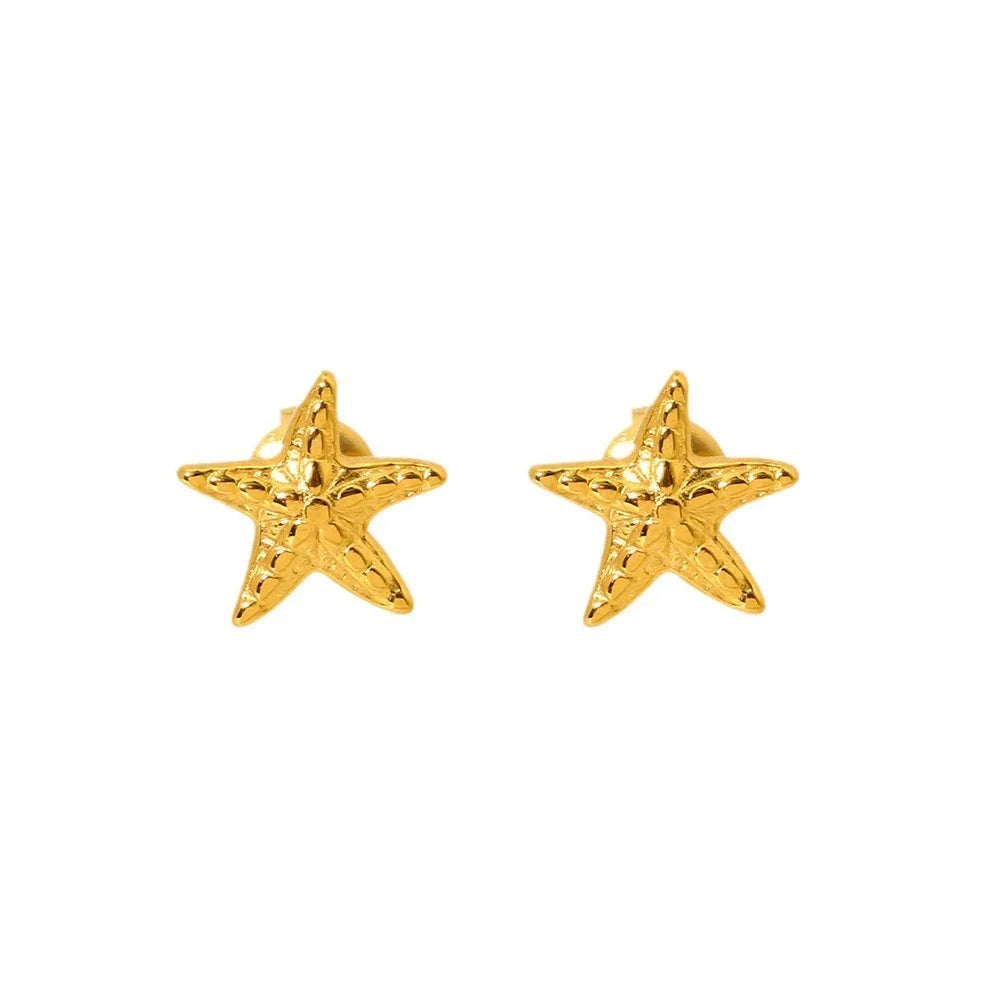
Seashell jewelry is one of the season's biggest trends. Here's what it actually is, how it differs from the real (fragile) thing, and how to style it every day.
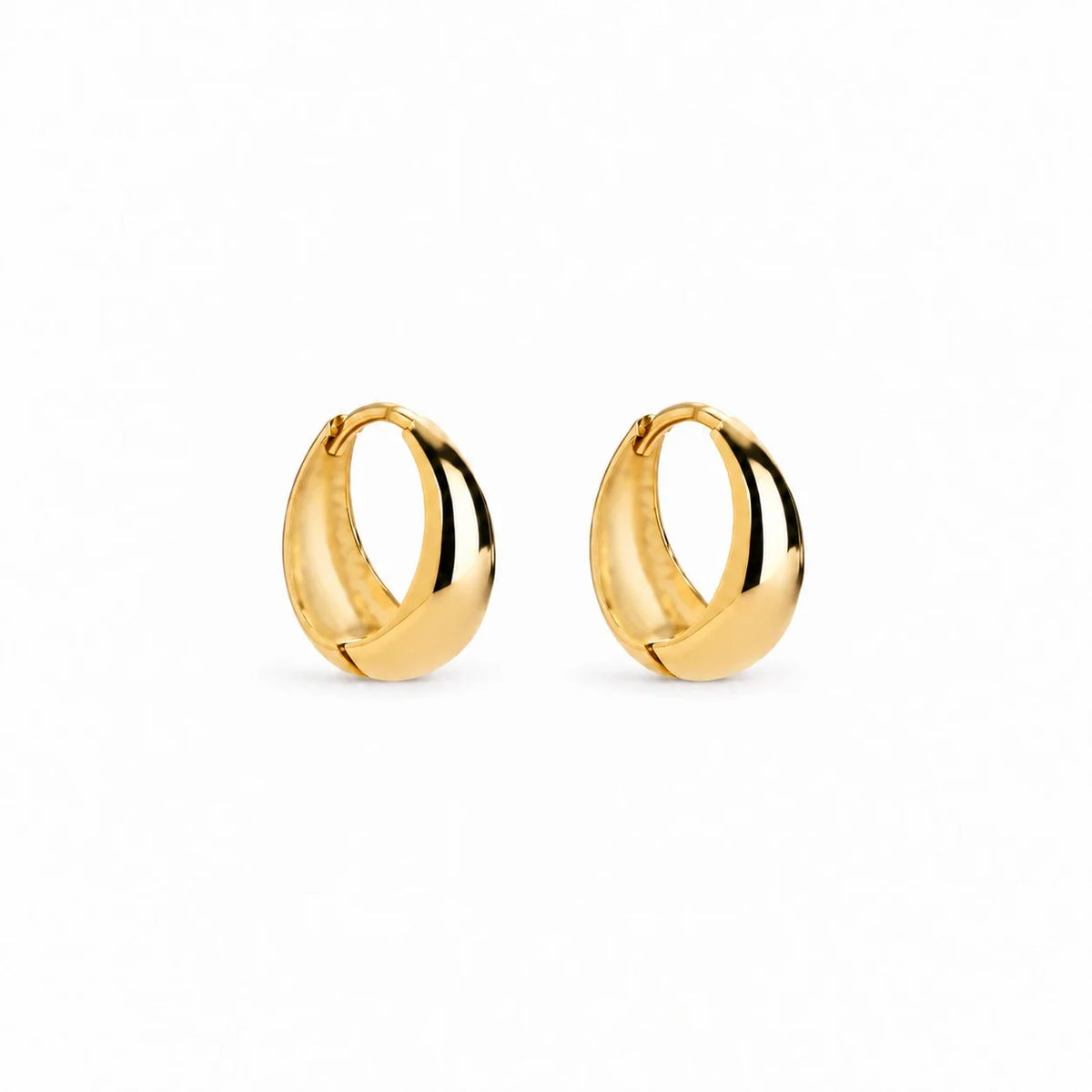
Classic, chunky, or statement: here's how to pick a hoop earring size that fits your everyday look, plus why chunky and rope-textured hoops are leading the current Y2K comeback.


