

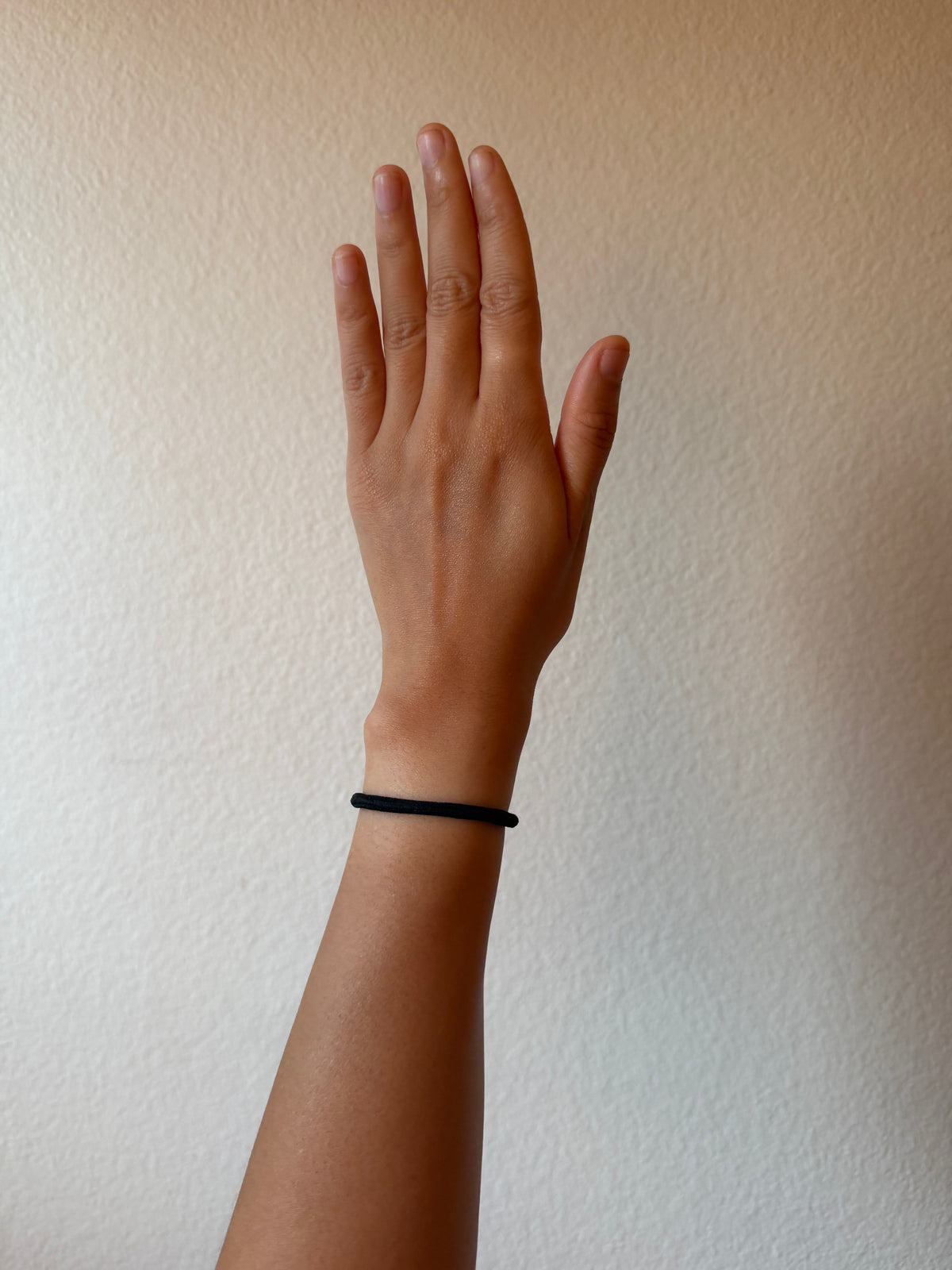
Is a Hair Tie on Your Wrist Bad for You? What to Know About Wartenberg's Syndrome
Cheiralgia paresthetica — also called Wartenberg’s syndrome — is a nerve condition caused by compression of a nerve that runs along the back of the wrist and into the thumb. It’s most often linked to anything worn snugly around that spot for long stretches: tight watchbands, handcuffs, a cast, or a bracelet cinched too close. It is a real, diagnosable condition, and this article is general information, not medical advice — more on that below.
A quick note before we go further: this post is meant to help you understand a known nerve-compression condition and a common habit linked to it. It is not a diagnosis, and it is not a substitute for seeing a doctor. If you have wrist pain, numbness, tingling, or a burning sensation, please talk to a medical professional — they’re the only ones who can tell you what’s actually going on.
What Is Cheiralgia Paresthetica (Wartenberg’s Syndrome)?
Cheiralgia paresthetica happens when the superficial branch of the radial nerve — which runs just under the skin on the back of the wrist and thumb — gets compressed. Because the nerve sits so close to the surface in that area, it’s unusually sensitive to outside pressure. Medical sources describe the symptoms as numbness, tingling, or a burning feeling over the back of the hand and thumb, usually on one side.
It’s a mechanical, nerve-entrapment issue — meaning something is pressing on the nerve from the outside — rather than an internal or degenerative condition. That's also why it's often connected to something external worn at the wrist rather than to age or activity level alone.
Why Tight Wrist-Worn Items Are a Common Trigger
Because the nerve runs so close to the skin, anything that applies steady pressure at the wrist for hours at a time can become a factor. Medical literature on cheiralgia paresthetica commonly points to tight watchbands, handcuffs, and tight bracelets or casts as classic examples. The common thread isn’t the item itself — it’s the combination of tightness and duration. A snug band worn for a few minutes isn’t the same as one left cinched against the same spot all day, every day.
The Habit Hiding in Plain Sight: A Hair Tie on the Wrist
Here’s the connection worth thinking about: a lot of us treat our wrist as a parking spot for a hair tie, stretching the elastic directly against bare skin and leaving it there for hours without a second thought. That's the same category of irritant as the tight watchbands and bracelets named above — a thin band, pulled taut, pressing on the same stretch of skin all day.
To be clear, we’re not saying a hair tie on your wrist causes or will cause cheiralgia paresthetica. We’re saying it belongs in the same general category of tight, sustained wrist pressure that medical sources list as a known trigger — and it’s a habit that’s genuinely easy to overlook, since a hair tie feels so ordinary.
A Simple Swap to Consider
This is really the whole idea behind the Hair-Tie Hider Cuff Bracelet. Instead of stretching an elastic directly against your skin, the cuff’s hinge holds your hair tie along its edge, off your wrist, so you still have it on hand without wearing it snug against bare skin all day. It’s not a treatment or a medical device — it's jewelry — but it may help you avoid one common irritant by removing the habit of parking a tight elastic directly on your wrist. If you want to see exactly how the hinge works, we walked through it in our guide to the Hair-Tie Hider Cuff.
Some people like pairing it with another everyday piece rather than wearing it alone — the Hair-Tie Hider Bracelet Stack bundles the cuff with a second layering bracelet so your wrist still looks finished even with the hair tie tucked away.
When to See a Doctor
If you’re noticing numbness, tingling, or a burning sensation on the back of your hand or thumb, that’s worth getting checked out by a doctor rather than guessing at the cause yourself. Cheiralgia paresthetica is generally considered manageable once it’s identified, but a proper diagnosis — and ruling out anything else going on — should always come from a medical professional, not a blog post.
FAQ
Is a hair tie on my wrist the same as having Wartenberg’s syndrome?
No. Wearing a hair tie on your wrist doesn’t mean you have or will develop cheiralgia paresthetica. The two are only connected in that a tight, sustained band at the wrist is the kind of pressure medical sources associate with the condition. If you have symptoms, that’s a question for a doctor, not a jewelry brand.
Can a bracelet like the Hair-Tie Hider Cuff treat or prevent this condition?
No. It’s jewelry, not a medical device or treatment. It simply removes the habit of stretching an elastic hair tie directly against bare skin, which may help you avoid one common irritant — it isn’t a cure, treatment, or guarantee against any nerve condition.
What should I do if my wrist feels numb or tingly?
See a doctor. Numbness, tingling, or burning at the wrist or hand can have several causes, and only a medical professional can examine you, diagnose what’s actually happening, and recommend the right next step.
Read more
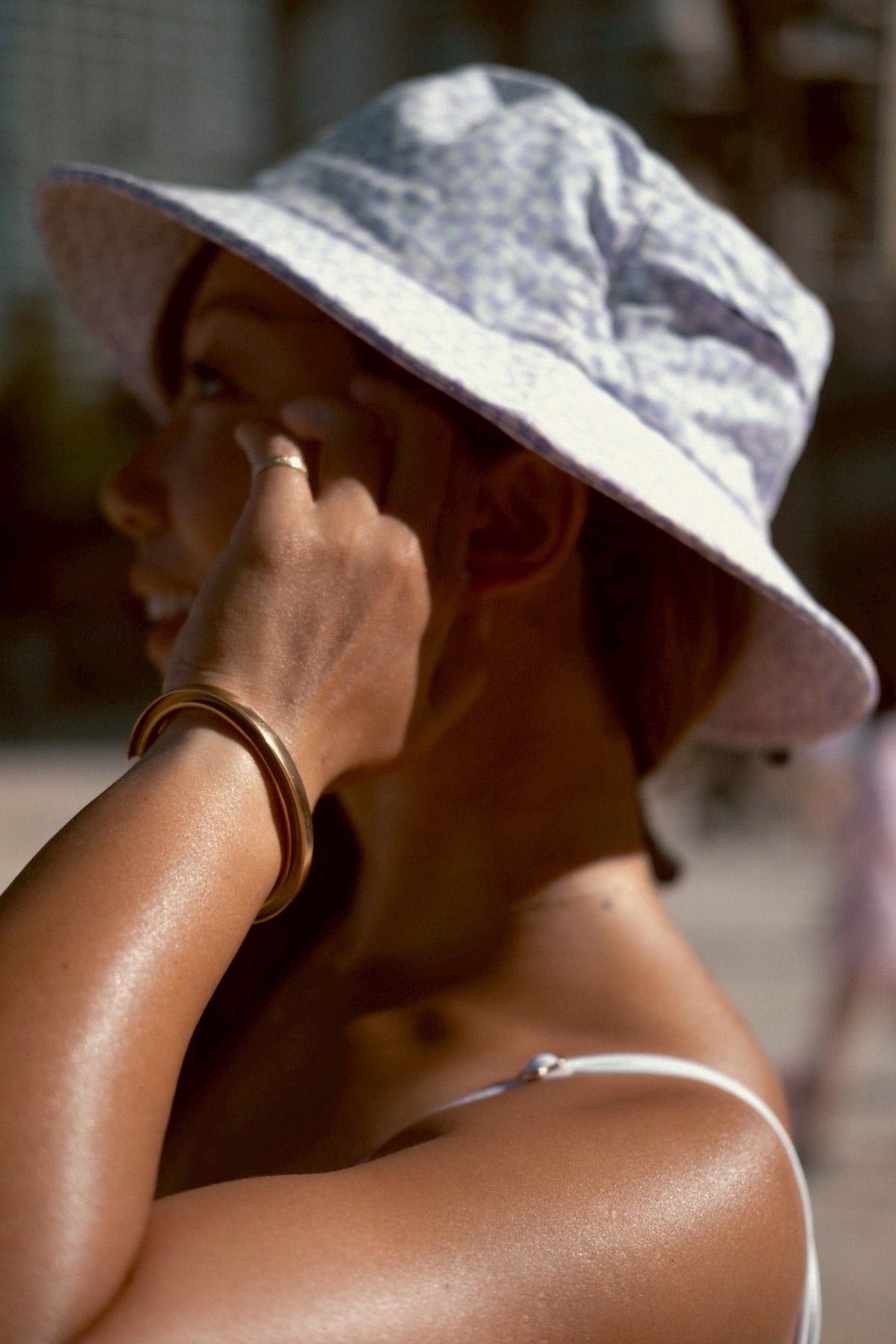
Comparing hair tie bracelets before you buy? Here's how the Hair-Tie Hider Cuff Bracelet's fully recessed design compares to Gypsea Loop's open-groove bangle on concealment, sizing, and price.
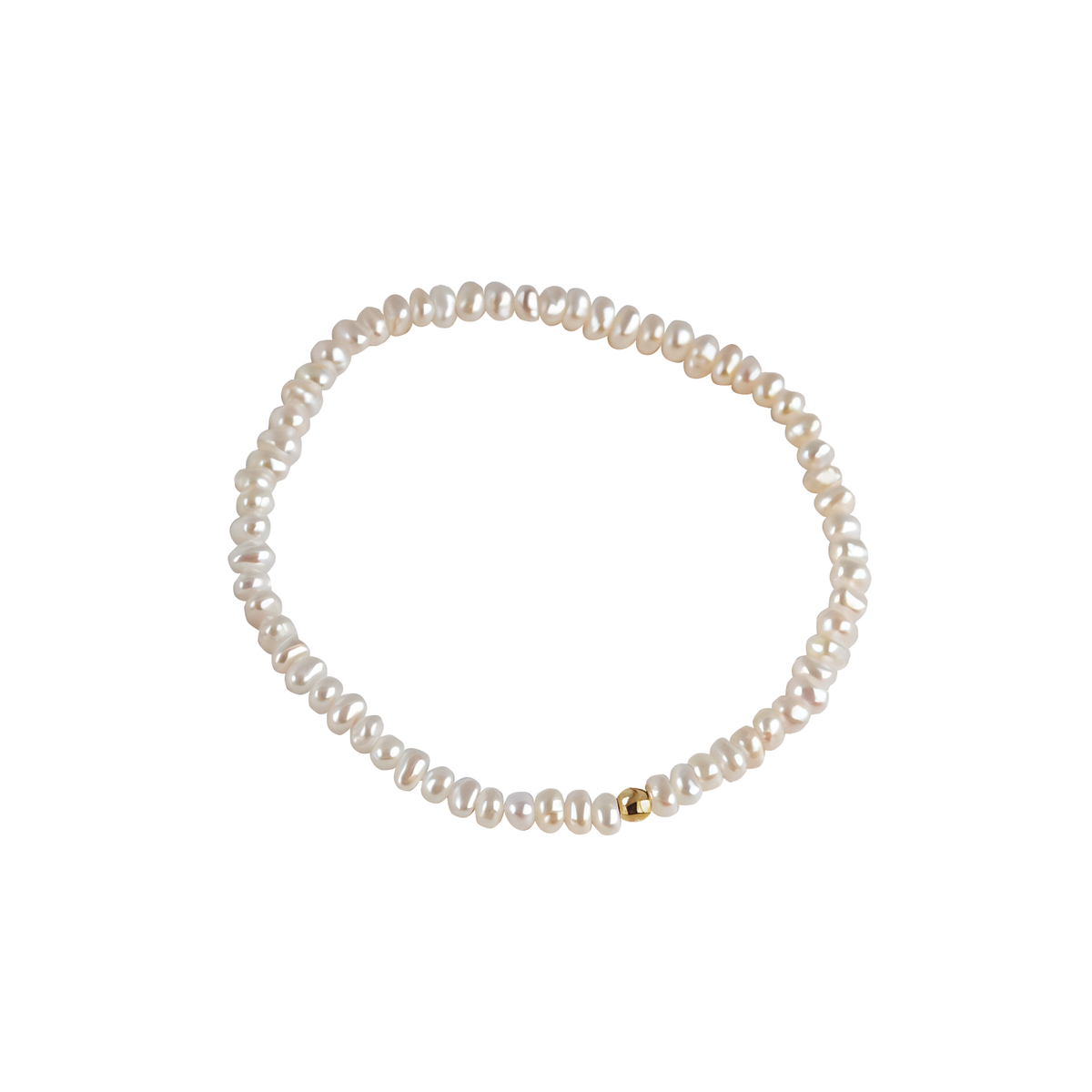
What a freshwater pearl actually is, how to spot good quality, and which Surfers Jewelry bracelet style fits your everyday stack.


