

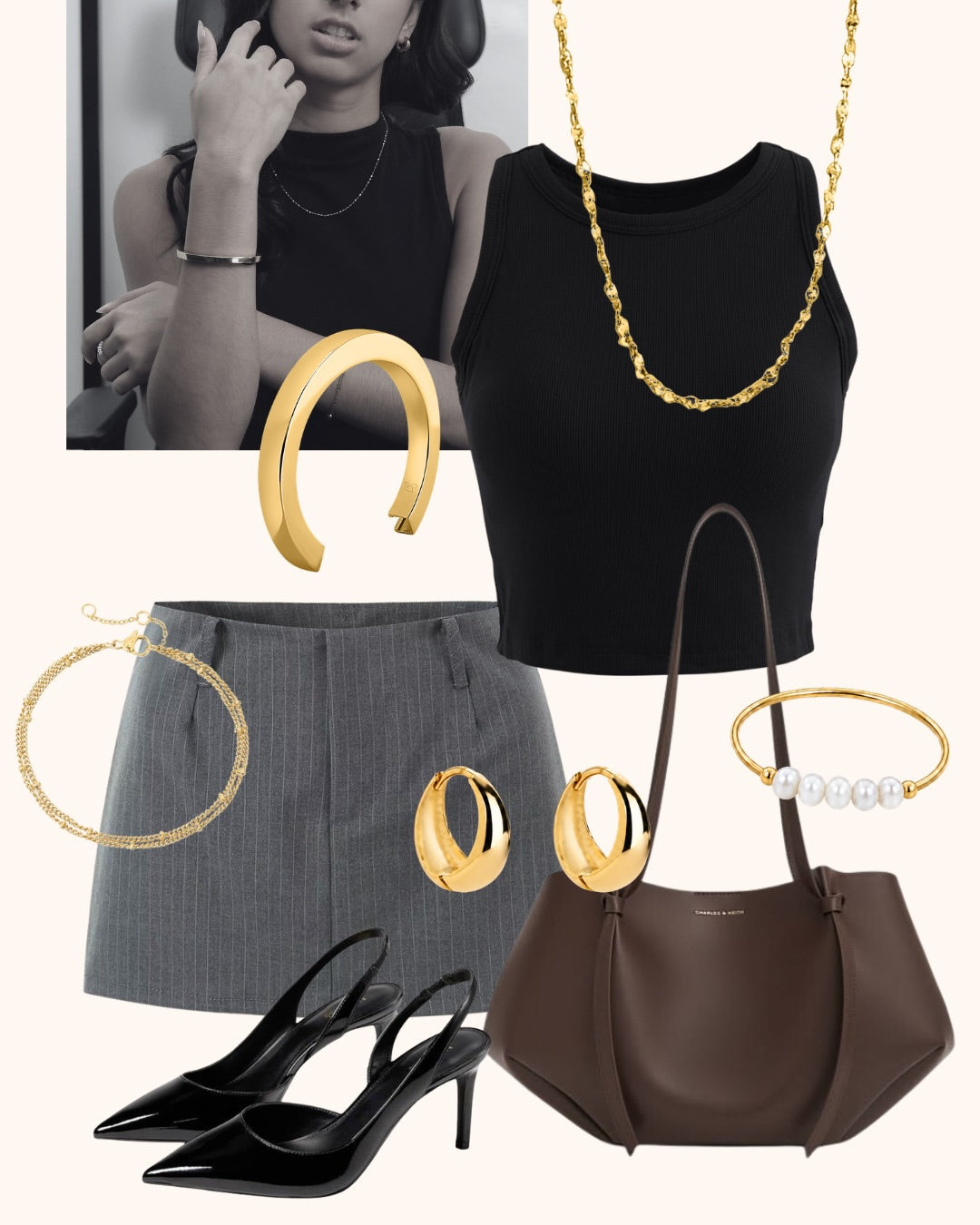
How to Stack Bracelets: A Y2K-Inspired Guide to Mixing Metals, Pearls & Chains
Stacking bracelets means wearing three or more pieces on one wrist at once instead of a single bracelet — mixing chains, charms, and pearls in varied widths so the whole wrist reads as one deliberate look instead of a cluttered mess. The trick is anchoring the stack with one statement piece, keeping a consistent metal tone as your base, and limiting yourself to pieces that can actually survive being worn together all day (through the shower, the gym, and everything in between).
Start With One Metal Tone
Before you add a single bracelet, decide: gold, silver, or rose gold. A stack with three different metal tones competing for attention usually looks accidental rather than intentional. Pick one as your base — most of our pieces, like the Coastline Layers Bracelet, come in gold, silver, and rose gold specifically so you can match whatever's already on your wrist. If you want contrast, add it through texture or stone color, not a second metal.
Pick an Anchor Piece
Every good stack has one piece that does the talking. That could be a chain-link bracelet like the Coastline Layers Bracelet, a single flower-charm piece such as the Pikake Bracelet, or a pearl-and-crystal design like the Seafoam Dreams Freshwater Pearl and Crystals Bracelet. Build everything else around that piece instead of trying to make three or four bracelets all compete for the eye at once.
Mix Widths and Textures, Not Just Pieces
A stack of identical-width chains tends to blur into one blob of metal. Instead, pair a slim chain with something wider or more textured — a dainty pearl bracelet next to a heavier link chain, for example. A slim piece like the Minimalist Freshwater Pearl Bracelet sits well against a bolder chain because the pearls add visual weight without adding bulk. This is the same tangle-free logic that works for layered necklaces — vary the scale so each piece has its own space instead of jostling for the same spot on your wrist.
How Many Is Too Many?
Three to five bracelets is the sweet spot for most wrists. Fewer than three and you're not really "stacking" — you're just wearing a bracelet. More than five and pieces start sliding over each other, tangling, and making noise every time you move your hand. If you love the maximalist, stacked-high look that's having a major comeback from the 2000s — think a wrist full of charm bracelets and jelly bracelets layered without much restraint — keep the pieces lightweight so the stack doesn't feel heavy by midday.
Build a Stack That Can Actually Keep Up With Your Day
A stack only works if you don't have to take it off every time you wash your hands, hit the gym, or jump in the pool. Every bracelet in your stack should be the kind of piece you can shower, sweat, and swim in without worrying about tarnish, discoloration, or skin irritation — that's the whole point of building a stack you actually wear every day instead of one you babysit.
FAQ: Stacking Bracelets
Do stacked bracelets tangle or scratch each other?
They can, if you mix pieces with open clasps, dangling charms, or uneven chain links. Minimize tangling by choosing pieces with closed links or smooth cuff shapes, and by keeping the total stack to three to five pieces. Pieces made from the same durable, tarnish-free material also resist the fine scratching that happens when softer metals rub against each other.
What's the right order to wear a bracelet stack?
There's no fixed order, but a common approach is to put your anchor (statement) piece closest to your hand and layer slimmer, more delicate pieces above it toward your forearm. That keeps the boldest piece visible first while the rest builds visual height behind it.
Can you shower or swim with a bracelet stack on?
Yes, as long as every piece in the stack is made from waterproof, tarnish-free materials. Mixing in pieces that aren't water-safe means you'll end up removing part of your stack constantly, which defeats the purpose of building one in the first place.
A good bracelet stack isn't about buying every piece at once — start with one anchor and one slim layering piece, wear them together for a week, and add from there. The pieces that earn a permanent spot are the ones that survive real life, not just a photo.
Read more
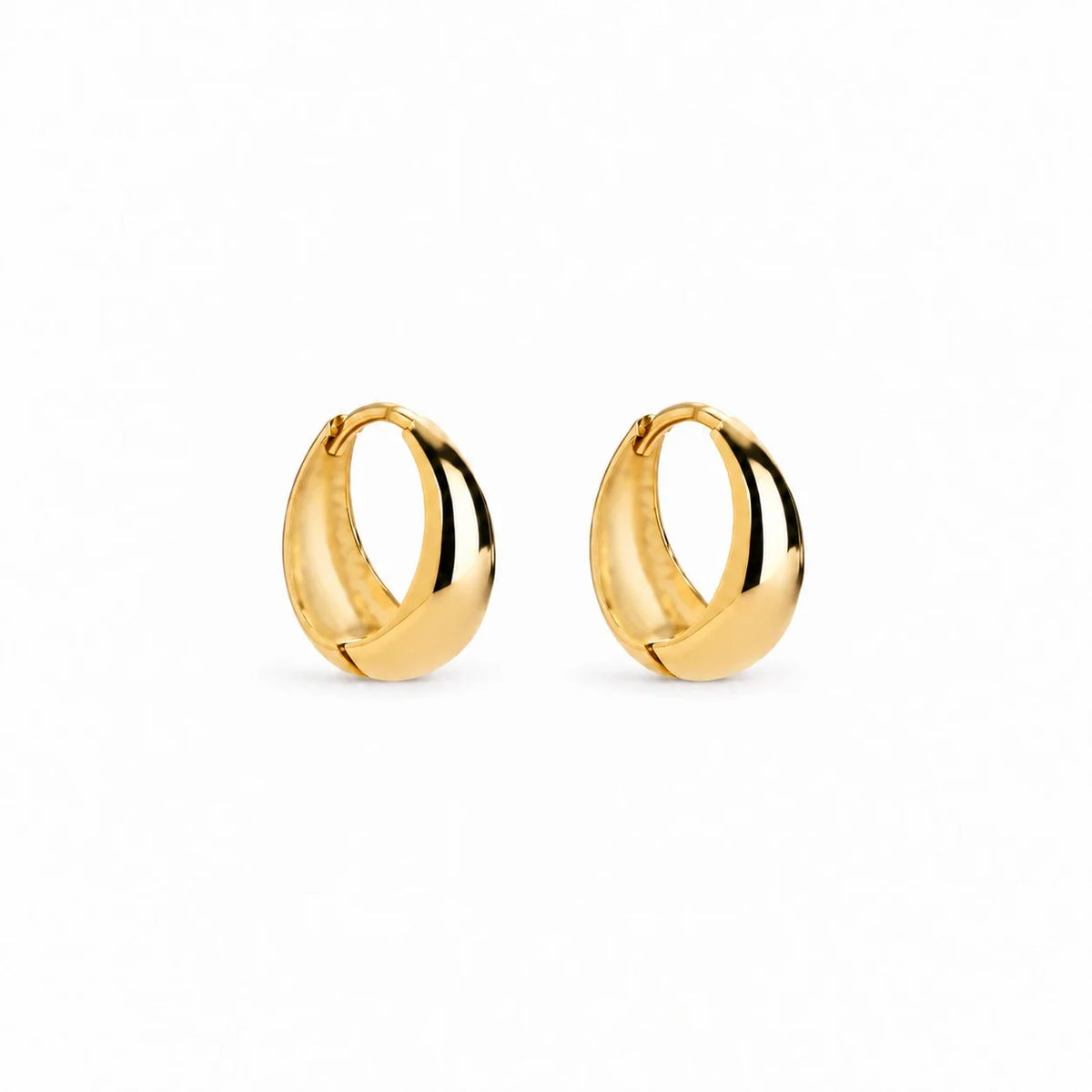
Classic, chunky, or statement: here's how to pick a hoop earring size that fits your everyday look, plus why chunky and rope-textured hoops are leading the current Y2K comeback.

Pakalana is one of Hawaii's most fragrant lei flowers and one of the least talked about. Here's what it is, how it compares to pikake and puakenikeni, and how to wear it as jewelry every day.


