


Is Hypoallergenic Jewelry Really Non-Allergenic? What Dermatologists Say
No — "hypoallergenic" on a jewelry label is a marketing claim, not a medical guarantee, so even jewelry sold that way can still cause a reaction in some people. What the term is supposed to signal is that a piece is made without the metals most likely to trigger a skin reaction, nickel above all. Dermatologists generally agree the safest approach isn't to trust the label at all, but to look at what the piece is actually made of.
What "Hypoallergenic" Actually Means
There's no regulated, legal definition of "hypoallergenic" in the jewelry industry. Any brand can print the word on a tag. In dermatology, the term simply means a product is formulated to minimize the chance of an allergic reaction compared to typical costume jewelry — it doesn't mean zero risk for every person, and it definitely doesn't mean the piece has been clinically tested on your skin specifically. If you've ever reacted to "hypoallergenic" earrings before, this is usually why: the label described an intention, not a guarantee.
The Real Culprit Behind Most Jewelry Reactions
When people say they're "allergic to jewelry," what's almost always happening is a contact allergy to nickel. Nickel is cheap, durable, and common in costume and even some fine jewelry as a base metal or alloy component, and it's one of the most frequently cited causes of allergic contact dermatitis in dermatology literature. Reactions show up as redness, itching, a rash, or small bumps exactly where the metal touches skin — a telltale ring around a finger, a band across the wrist, or irritation at the earlobe. The fix isn't more moisturizer or taking breaks from jewelry; it's avoiding the metal itself.
Which Metals Dermatologists Point to as Safer Choices
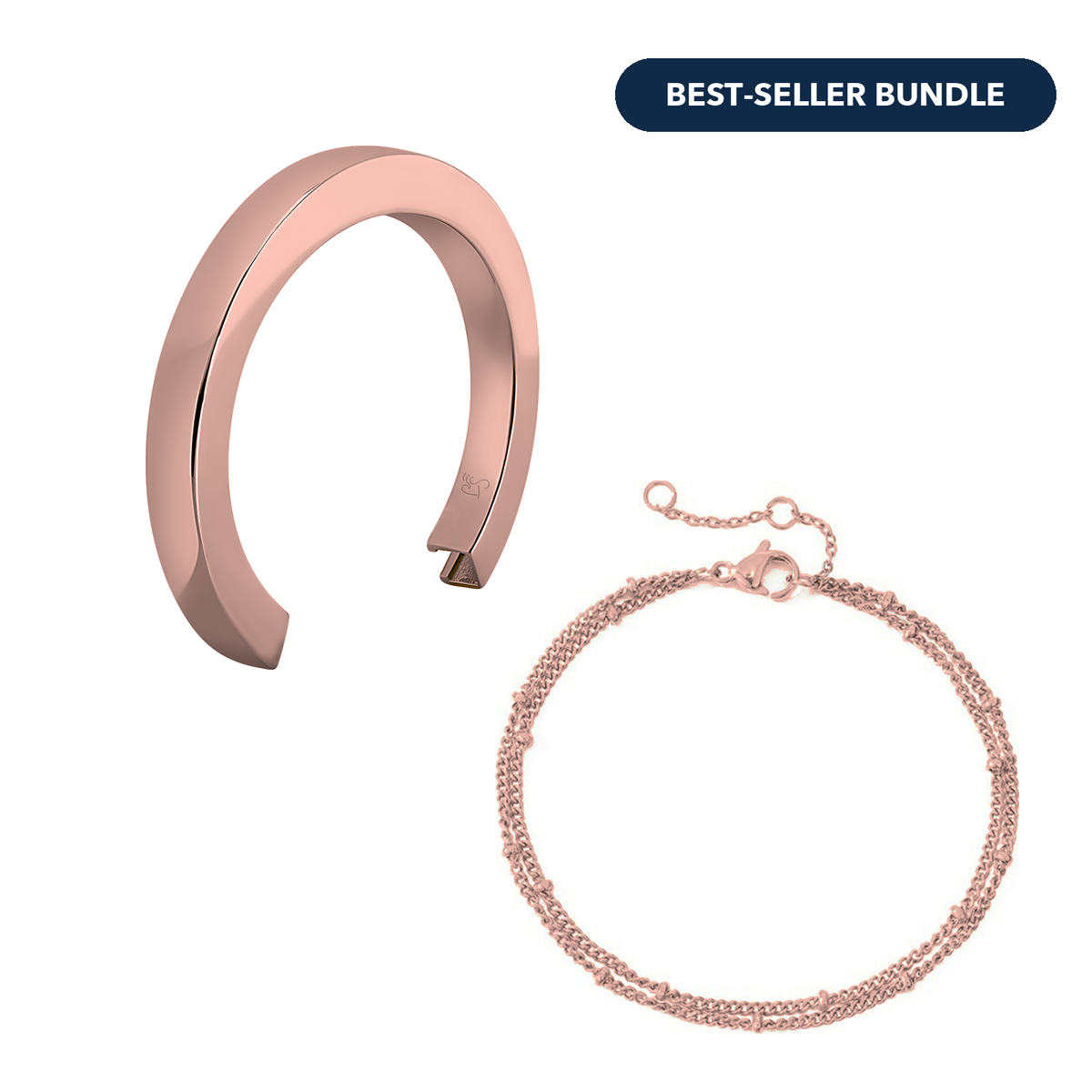
Instead of relying on the word "hypoallergenic," dermatologists typically point people toward a short list of metals with a much lower rate of reactions: surgical-grade stainless steel, titanium, platinum, and solid or heavily plated gold (14K and up). These metals are either nickel-free or bond the nickel so tightly within the alloy that it isn't released onto the skin in meaningful amounts. This is the logic behind pieces like our Hair-Tie Hider Cuff Bracelet, built in high-quality stainless steel with real 14K gold plating rather than a base-metal alloy — the same reasoning applies to a pair of everyday stainless steel hoops, since earlobes are one of the most common reaction sites of all.
How to Actually Tell If a Piece Will Work for You
Skip the marketing language and check the materials list. Look for "surgical-grade stainless steel," "titanium," "solid gold," or a specific gold plating thickness (14K or 18K) rather than vague terms like "gold-tone" or "alloy." If you've had a reaction before, patch-test a new piece by wearing it for a few hours on a small area, like a single finger, before committing to all-day wear. Pieces that are also water-friendly and tarnish-resistant, such as a nickel-free stacking ring, tend to hold up better for sensitive skin long-term too, since they're not shedding a coating that exposes the base metal underneath as they wear down.
We've written more about this before in why hypoallergenic jewelry matters for everyday wear, including what daily symptoms to watch for.
Frequently Asked Questions
Can hypoallergenic jewelry still cause a reaction?
Yes, in rare cases. "Hypoallergenic" lowers the likelihood of a reaction by avoiding common allergens like nickel, but it isn't a guarantee for every person, especially those with a severe, specific metal sensitivity diagnosed by a dermatologist (such as to cobalt or chromium).
Is gold-plated jewelry safe for sensitive skin?
It depends on what's underneath the plating and how thick it is. A thin gold wash over a nickel-heavy base metal can still trigger a reaction once the plating wears thin. Gold plating over a nickel-free base, like stainless steel, is a safer combination because there's no nickel to be exposed to begin with.
What's the best metal for people with sensitive ears?
Surgical-grade stainless steel, titanium, and solid or 14K+ gold are generally the best-tolerated options for earrings specifically, since ears are frequently pierced with lower-quality metal early on and can become sensitized over time.
Read more
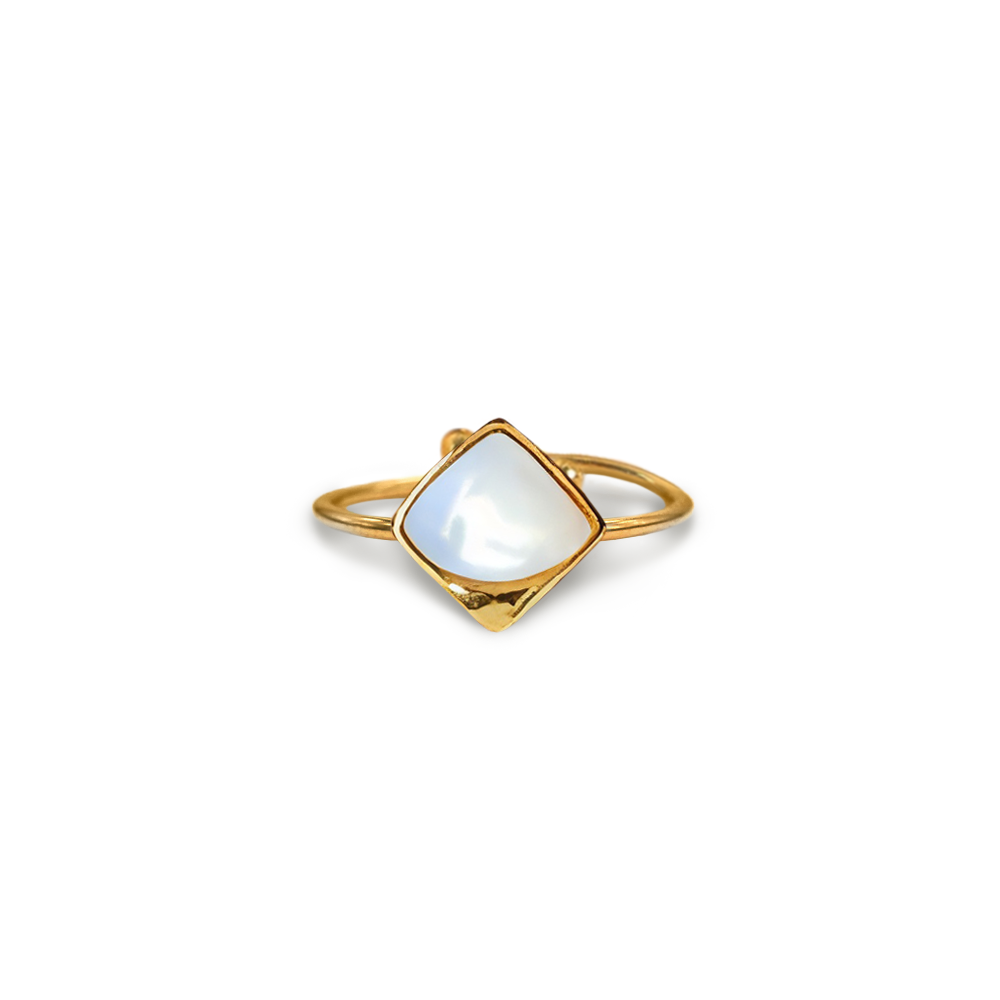
Mother-of-pearl is everywhere in jewelry right now. Here's what it actually is, how to spot the real thing, and how to wear it every day without babying it.
Shopping for the surfer, swimmer, or beach-loving woman in your life? Here's a 2026 gift guide to waterproof, tarnish-free jewelry she'll actually keep wearing.


